
Home > DEIE : A Key Interface Between Power Generation Facilities and the Public Distribution Grid
Home > DEIE : A Key Interface Between Power Generation Facilities and the Public Distribution Grid
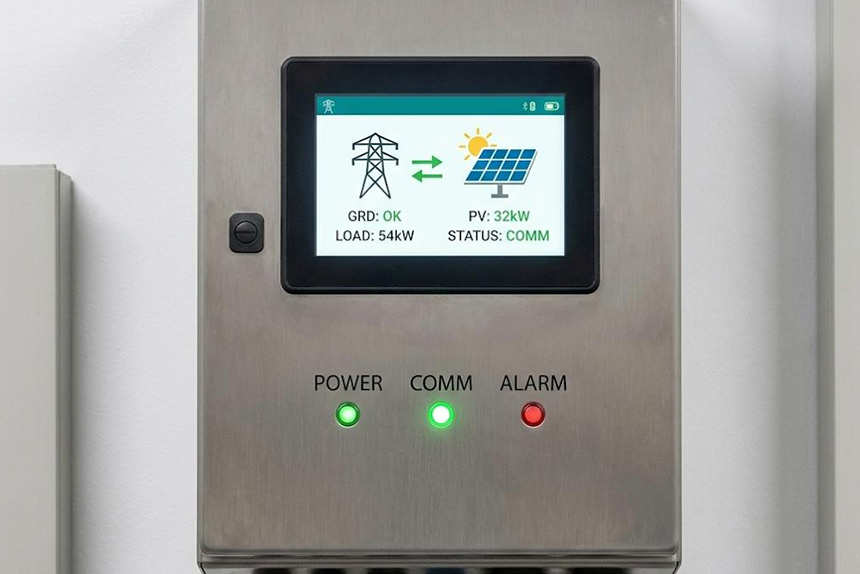
The energy landscape is evolving rapidly. The growing number of decentralized power generation facilities—including photovoltaic plants, Waste-to-Energy (WtE) facilities, cogeneration plants and industrial power generation sites—is fundamentally transforming the way electrical distribution networks are operated.
These facilities, connected to the public distribution grid, inject locally generated electricity into the network. To ensure grid stability, reliability and operational safety, the Distribution System Operator (DSO) must have continuous access to accurate operational information from these installations.
In this context, reliable communication between power generation facilities and the grid operator has become a critical component of power system operation.
This is precisely the role of the Operational Information Exchange System (DEIE): enabling the collection, processing and exchange of operational data between a power generation facility and the public distribution network operator.
Integrating such a system requires expertise in Industrial Automation, Industrial Electrical Engineering and Control Systems Integration—areas in which IESA has developed recognized expertise, supporting power producers and industrial operators throughout their projects.
Who is this document for?
This Technology Focus is intended for professionals involved in the design, operation or modernization of power generation facilities connected to the public distribution grid, including:
Its objective is to provide a clear understanding of the Operational Information Exchange System (DEIE), its purpose, how it operates and the key challenges involved in its integration within industrial facilities.
The Operational Information Exchange System (DEIE) is a communication system that enables the exchange of operational information between a power generation facility and the public electricity distribution network operator.
It acts as the communication interface between the generation facility and the electrical grid, ensuring the secure transmission of operational data required for reliable network operation.
The DEIE performs several essential functions:
The information exchanged may include:
By providing real-time visibility into connected generation assets, the DEIE enables the grid operator to maintain a safe, reliable and balanced electricity distribution network.
A DEIE is generally required for electricity generation facilities connected to the public distribution grid when their installed generation capacity exceeds a regulatory threshold.
In such cases, the Distribution System Operator (DSO) must be able to:
These systems are commonly implemented in:
A DEIE may also be installed as part of the modernization of existing facilities, particularly when new communication requirements are introduced by the grid operator or when legacy monitoring systems need to be upgraded.
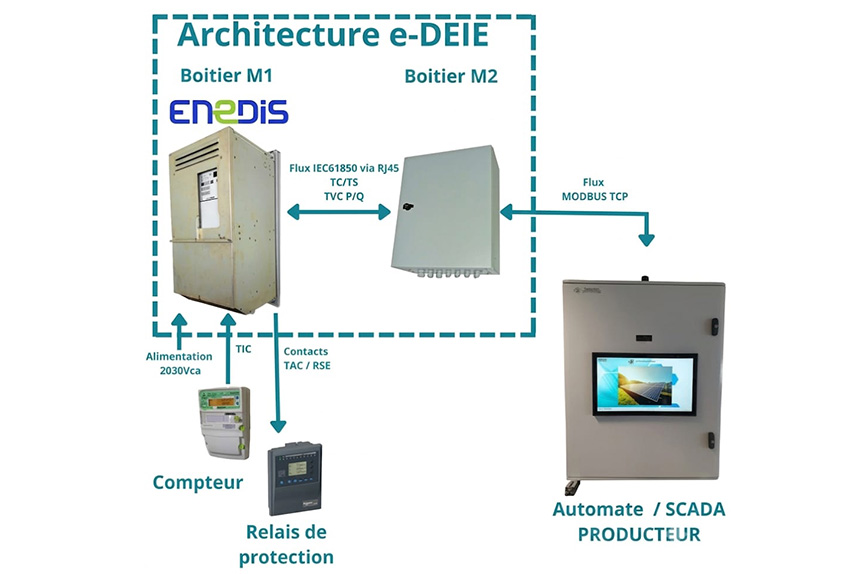
A DEIE is integrated into the overall system architecture that connects a power generation facility to the public electricity distribution network.
Operational data is collected from several key components within the facility, including:
This information is gathered and processed by the facility’s Control & Command System, which is responsible for:
A typical DEIE architecture includes:
This information chain ensures reliable, secure and continuous communication between the power generation facility and the electrical grid, enabling efficient operation and network supervision.
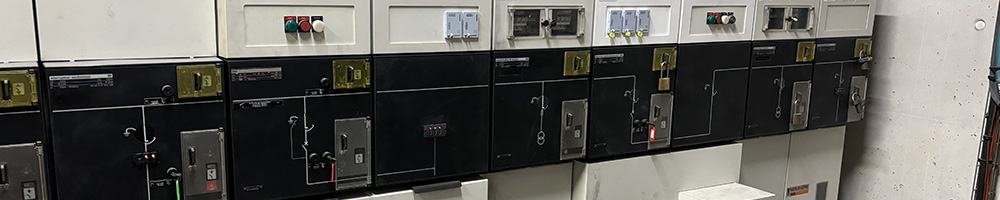
Successfully integrating a DEIE requires multidisciplinary expertise combining Industrial Automation, Industrial Electrical Engineering and Control System Integration.
IESA supports power producers and industrial operators throughout every stage of the project, from engineering studies to commissioning and validation.
Engineering Studies
Every project begins with a comprehensive assessment of the existing installation to determine the most appropriate integration strategy.
IESA’s engineering services include:
These preliminary studies ensure that the DEIE can be seamlessly integrated into the customer’s existing infrastructure.
Industrial Automation
IESA develops and implements the automation functions required for the DEIE.
Our automation expertise includes:
The objective is to ensure reliable communication between the generation facility, the electrical infrastructure and the grid operator.
Industrial Electrical Engineering
The electrical engineering scope covers all hardware integration required for the DEIE.
IESA provides:
This guarantees full compliance with project requirements while ensuring safe and reliable operation.
Testing and Validation
Before commissioning, every communication interface must be thoroughly validated.
IESA supports customers during all testing phases, including:
Because communication with the Distribution System Operator is mission-critical, every exchange must operate flawlessly before the installation is commissioned.
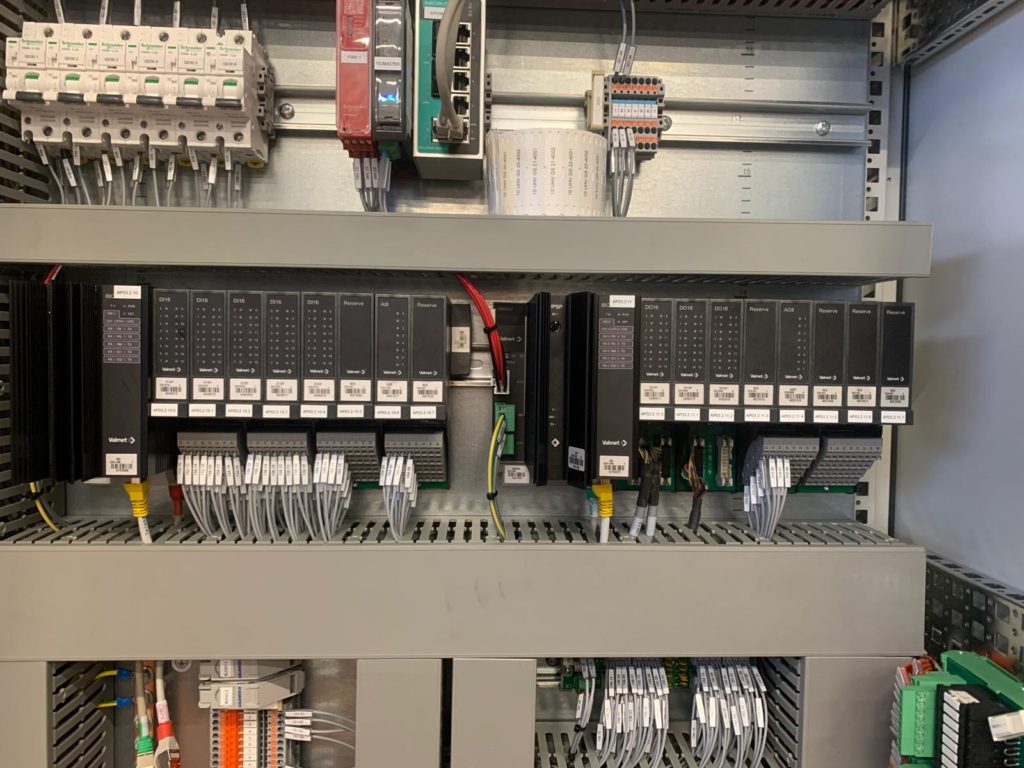
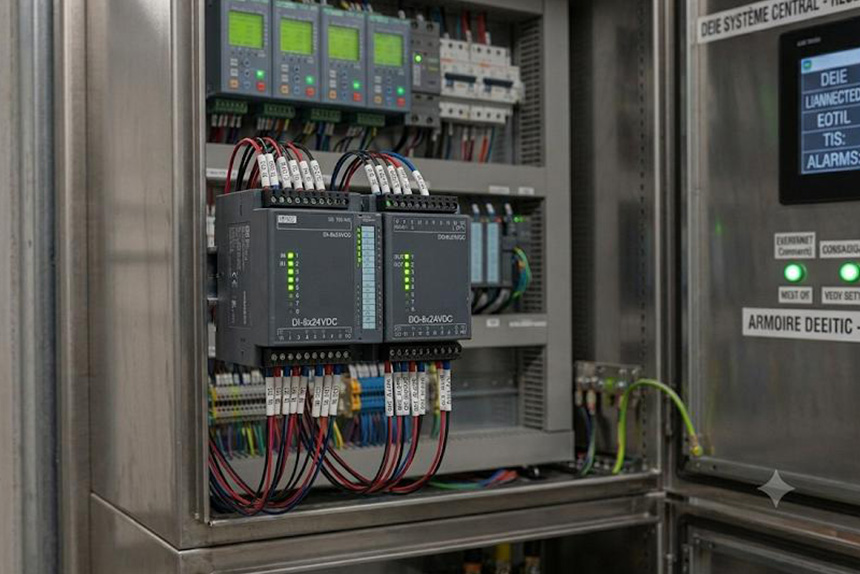
No two industrial facilities are identical.
Each production site has its own electrical architecture, automation systems and operating constraints.
Integrating a DEIE therefore requires far more than simply installing new equipment—it demands the ability to interface with existing systems while maintaining operational continuity.
Thanks to its expertise in Industrial Automation, Industrial Electrical Engineering and Control & Command Systems, IESA is able to design customized solutions compatible with virtually any industrial architecture.
This capability is particularly valuable during modernization or retrofit projects, where new communication requirements must be implemented without disrupting production.
Whether replacing obsolete equipment, upgrading existing installations or implementing new communication standards, IESA ensures smooth and reliable integration.
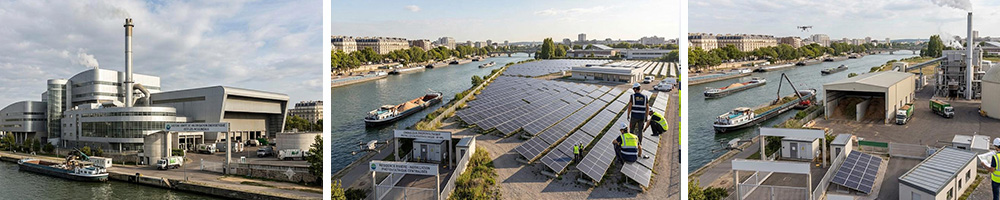
IESA has already supported several industrial operators in implementing DEIE systems within their power generation facilities.
For this project, IESA delivered a complete turnkey solution, including:
The project covered the entire integration process, from engineering to final commissioning.
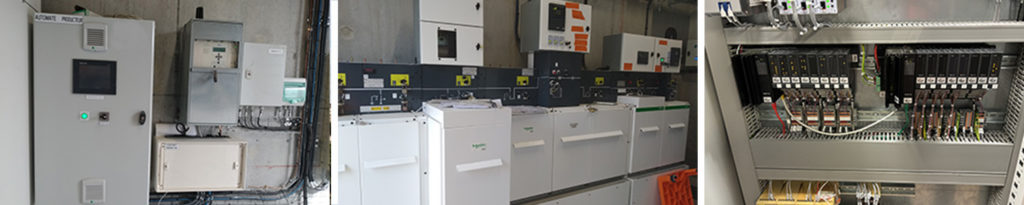
For the Cergy project, IESA was responsible for:
The physical installation and wiring were subsequently carried out by the customer based on IESA’s engineering deliverables.
This project illustrates IESA‘s ability to provide either complete turnkey solutions or targeted engineering support, depending on customer requirements.
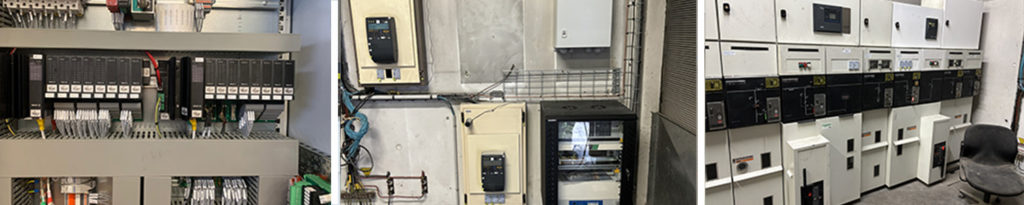
As the number of power generation facilities connected to the public distribution grid continues to grow, Operational Information Exchange Systems (DEIE) have become a key component in ensuring the reliability, stability and supervision of modern electrical networks.
Their successful implementation requires expertise in Industrial Automation, Industrial Electrical Engineering and Control System Integration, enabling seamless communication between power generation assets, electrical equipment and the Distribution System Operator.
Drawing on its extensive experience in complex industrial projects, IESA supports power producers and industrial operators throughout the design, integration and commissioning of DEIE systems tailored to their specific installations.
From engineering studies to testing and final validation, IESA delivers reliable, scalable and fully integrated solutions that ensure secure communication between industrial facilities and the public electricity distribution network.