
Home > Industrial monitoring and optimisation: a key lever for the energy transition in La Réunion
Home > Industrial monitoring and optimisation: a key lever for the energy transition in La Réunion
The energy transition is now at the heart of industrial strategies, particularly in island territories where environmental, logistical and economic challenges are closely intertwined. In La Réunion, this transformation notably involves changes in electricity generation methods and the continuous optimisation of existing industrial facilities.
Any industrial project, whatever its scope, does not end when it is commissioned. On the contrary, facility monitoring, continuous optimisation and long-term support for operators are essential levers to ensure the performance, safety and sustainability of industrial assets.
It is with this mindset that our teams are working alongside ALBIOMA, a major player in the energy transition in La Réunion, on a structuring biomass-based power generation project.
La Réunion faces specific constraints when it comes to energy supply. Reducing dependence on imported fossil fuels and promoting the use of local resources are key priorities to limit the island’s carbon footprint.
In this context, the ALBIOMA Le Gol and ALBIOMA Bois Rouge power plants have undertaken a major transformation of their facilities by replacing coal with biomass, sourced locally or imported. This biomass complements the use of bagasse, a by-product of sugarcane, which has historically been used in the island’s energy sector.
This transition is part of a broader energy strategy aimed at:
To support this transition, four pellet storage domes were installed at the Port site. These facilities play a key role in the biomass logistics chain.
At the port, ships carrying pellets are unloaded, the pellets are stored, and then loaded onto trucks for delivery to the power generation sites. The reliability of this logistics chain is essential to ensure continuity of service and overall energy performance.
IESA was involved in this project in consortium with COREM, providing expertise in:
The objective was clear: to guarantee the performance, safety and availability of the facilities, while meeting the requirements of an industrial site with high environmental stakes.
Once the facilities are commissioned, the project enters a new phase: real-life operation. This is when usage patterns, on-site constraints and opportunities for improvement become most apparent.
At IESA, we support our clients well beyond the initial project phase. Post-commissioning monitoring makes it possible to identify concrete optimisation opportunities — technical, energy-related and operational.
At the Port site, several optimisations were implemented to improve overall system performance and better meet operator needs.
Compressed air systems are often highly energy-intensive in industrial facilities. Poor management can lead to significant overconsumption and directly impact overall energy performance.
As part of this optimisation project, IESA teams worked on:
These adjustments made it possible to better manage compressed air usage based on actual process requirements. The result: a significant reduction in compressed air consumption and sustainable energy savings for the operator.
Managing pellet flows relies heavily on accurate truck weighing. Precise monitoring is essential to ensure material traceability, optimise logistics and secure operational data.
IESA intervened to:
Thanks to these improvements, the operator now benefits from better visibility over transported quantities and a smoother logistics operation. This optimisation directly contributes to the overall performance of the supply chain.
Human-Machine Interfaces (HMIs) play a central role in the day-to-day operation of industrial facilities. Poorly designed or unclear interfaces can lead to errors, time losses and increased operator fatigue.
In this project, IESA teams carried out:
These upgrades allow operators to control the facilities more intuitively, respond more quickly to anomalies and improve daily operational efficiency.
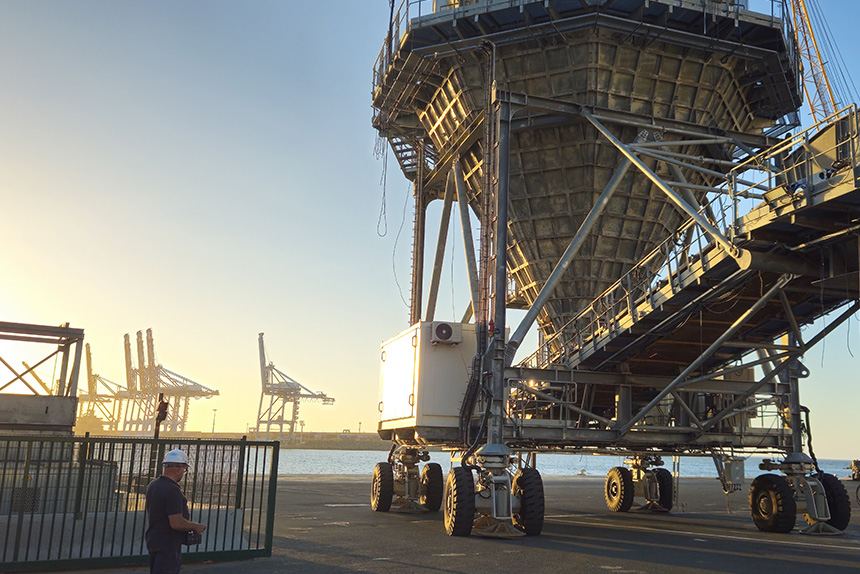
Mobile hoppers are a key component of the site’s internal logistics. Their proper use directly impacts operational fluidity and process continuity.
IESA supported the operator in optimising the use of mobile hoppers in order to:
This optimisation contributes to better coordination between process stages and smoother overall operation of the facilities.
Through this project, IESA reaffirms its commitment to supporting ALBIOMA in the long-term development of its industrial assets. Monitoring, optimisation and continuous improvement are key factors in addressing the challenges of the energy transition.
By combining technical expertise, on-site presence and a deep understanding of industrial challenges, our teams help secure facilities, improve energy performance and ensure long-term sustainability.
At IESA, we believe that the success of an industrial project is built over time. From engineering and commissioning to monitoring and optimisation, we support our clients at every stage of their projects.
Our expertise in industrial automation, industrial electrical engineering and industrial simulation enables us to work on complex projects with high technical and environmental stakes.
Would you like to optimise your industrial facilities or benefit from long-term support for your projects? Our teams are ready to work with you to build efficient and responsible solutions.