Home > Behind the scenes of an industrial automation engineer: a key role in industrial performance
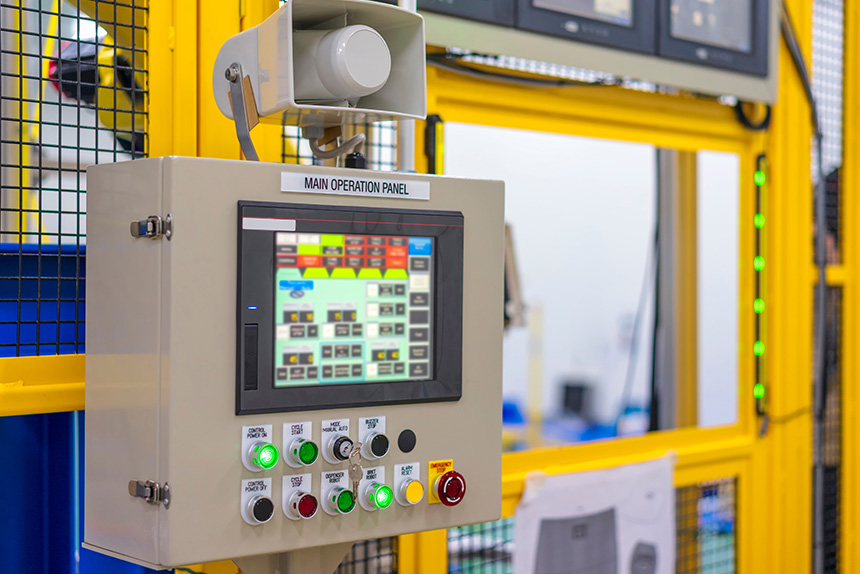
In industrial environments, some roles remain behind the scenes—yet they are essential to the performance and reliability of installations. This is the case for industrial automation engineers.
Behind every reliable installation, optimized production line, or secure automated system lies the precise and structured work of an automation specialist. From early design phases to on-site commissioning, this role is central to modern industrial engineering.
Let’s take a closer look behind the scenes of this strategic profession.
An industrial automation engineer is responsible for designing, developing, and implementing automated systems that control industrial equipment and processes.
Their mission is clear: ensure installations operate reliably, safely, and efficiently.
This involves programming PLCs (Programmable Logic Controllers), configuring operator interfaces (HMIs), and ensuring seamless communication between all equipment.
Their work helps to:
This expertise is essential across many sectors, including energy, environmental industries, infrastructure, manufacturing, and logistics.
Contrary to common assumptions, the work of an automation engineer begins long before commissioning.
It starts with analysis. The engineer studies the process, understands operational requirements, and identifies technical constraints.
This phase defines how the automated system should behave under all operating conditions.
Next comes development. The automation engineer programs PLCs, develops HMI interfaces, and implements control logic to ensure consistent and reliable system operation.
Every sequence is carefully designed to guarantee performance and safety.
Before commissioning, automated systems must go through rigorous testing phases.
These tests allow engineers to validate system behavior, identify potential issues, and fine-tune control sequences.
The goal is to anticipate real operating conditions and ensure the system performs as expected.
This preparation significantly reduces risks during commissioning and improves overall project reliability.
Commissioning is one of the most critical and rewarding phases of an automation engineer’s work.
On-site, the engineer connects automation systems to equipment, verifies communications, tests sequences in real conditions, and adjusts parameters where needed.
This is when the installation becomes fully operational.
Commissioning requires both technical expertise and adaptability, as each industrial environment presents unique challenges.
Today, industrial operators face major challenges: modernizing aging installations, improving performance, ensuring operational continuity, and supporting energy transition initiatives.
Automation engineers play a central role in addressing these challenges.
Their expertise contributes to:
Their work directly supports safer, more efficient, and more sustainable industrial operations.
Beyond technical skills, automation engineering is also a human-centered profession.
It requires precision, analytical thinking, adaptability, and strong collaboration skills.
Automation engineers work closely with electrical engineers, project managers, operators, and industrial teams to ensure project success.
Their role connects engineering design with operational reality.
Automation engineers may work behind the scenes, but their impact is everywhere.
Without their expertise, modern industrial systems could not operate reliably or efficiently.
They transform industrial requirements into functional, secure, and high-performance automated systems.
A discreet role—but a fundamental one in today’s industrial world.